

The evolution of spreadsheet-based sourcing platforms has reshaped how global buyers discover fashion items in 2026. Instead of relying on slow-loading Google Sheets, modern platforms like CNFans Spreadsheet Hub have transformed structured product data into fast, navigable web catalogs with QC visuals, categories, and direct agent links.
This guide focuses on Best Hipobuy Spreadsheet Socks 2026 as a practical entry point for understanding how sock categories are curated, evaluated, and optimized for buyer experience. It also connects broader ecosystem insights across brands, product categories, and spreadsheet navigation logic.
For deeper structured browsing, users can also reference the dedicated Hipobuy section here:Best Hipobuy Spreadsheet 2026.
Why Spreadsheet-Based Sock Shopping Still Matters in 2026
Despite the rise of AI shopping assistants and automated marketplaces, spreadsheet ecosystems remain relevant because they provide human-curated QC filtering. Socks may seem like a simple product, but in replica and fashion sourcing environments, subtle differences in material density, logo placement, and stitching quality significantly impact buyer satisfaction.
Unlike traditional e-commerce listings, spreadsheet systems offer:
- QC image verification before purchase
- Agent-based external checkout (no platform lock-in)
- Category-driven filtering (socks, sneakers, apparel)
- Community-driven updates and trend tagging
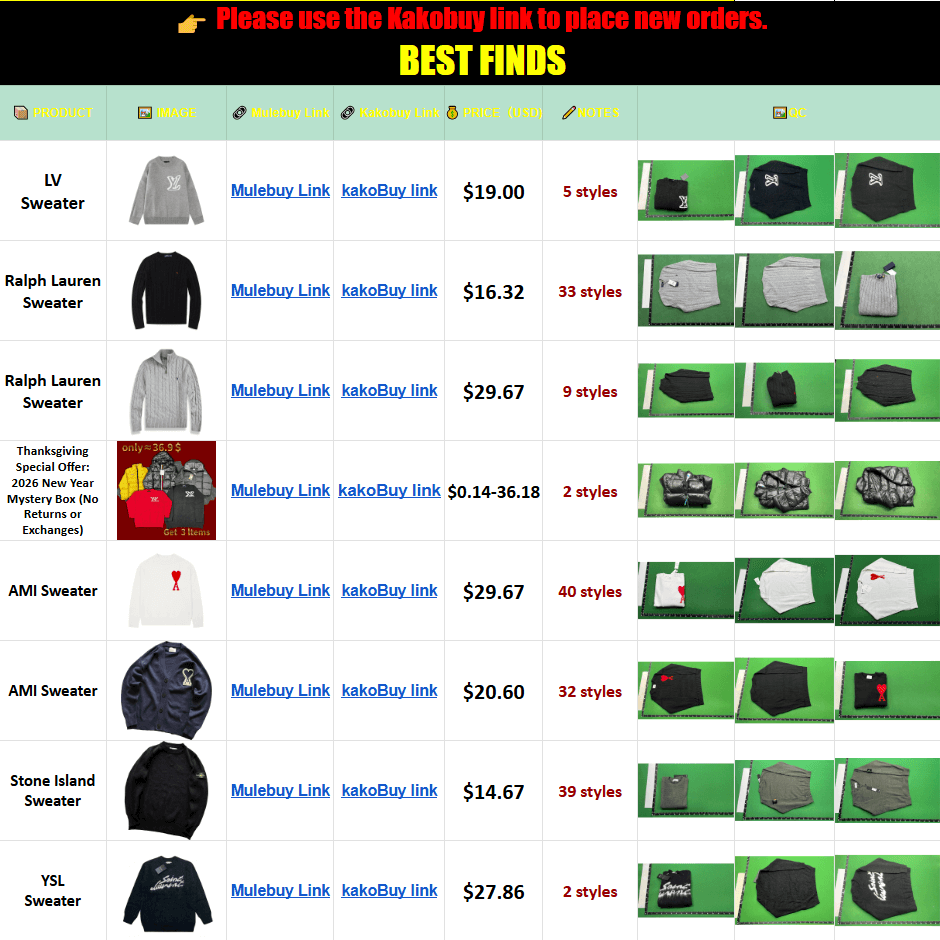
Hipobuy Socks Category Breakdown
The Hipobuy sock ecosystem in 2026 is typically divided into three micro-segments based on consumer demand patterns:
| Category | Focus | Buyer Priority | QC Indicators |
|---|---|---|---|
| Sports Socks | Performance + elasticity | Breathability, cushioning | Thickness uniformity, ankle support stitching |
| Streetwear Socks | Brand aesthetics | Logo alignment, color match | Print sharpness, fade resistance |
| Luxury Replica Socks | High-end fashion replication | Material authenticity feel | Thread density, packaging QC |
For users exploring deeper category segmentation, the full navigation system is available here:CNFans Socks Spreadsheet Category.
Brand Ecosystem Analysis (2026 Trends)
To understand sock sourcing behavior, it is important to analyze how major brands influence spreadsheet demand patterns. Below are three key brand clusters frequently appearing in curated spreadsheets.
1. Nike-Inspired Performance Socks Segment
Performance-oriented socks associated with Nike-style design logic continue to dominate athletic sourcing. In 2026, the trend has shifted toward:
- Improved moisture-wicking fiber blends
- Compression zones for running and gym usage
- Minimalist logo placement to avoid QC rejection
Hot items typically include ankle-length training socks and cushioned basketball socks. QC reviewers emphasize heel reinforcement consistency and elasticity retention after wash cycles.
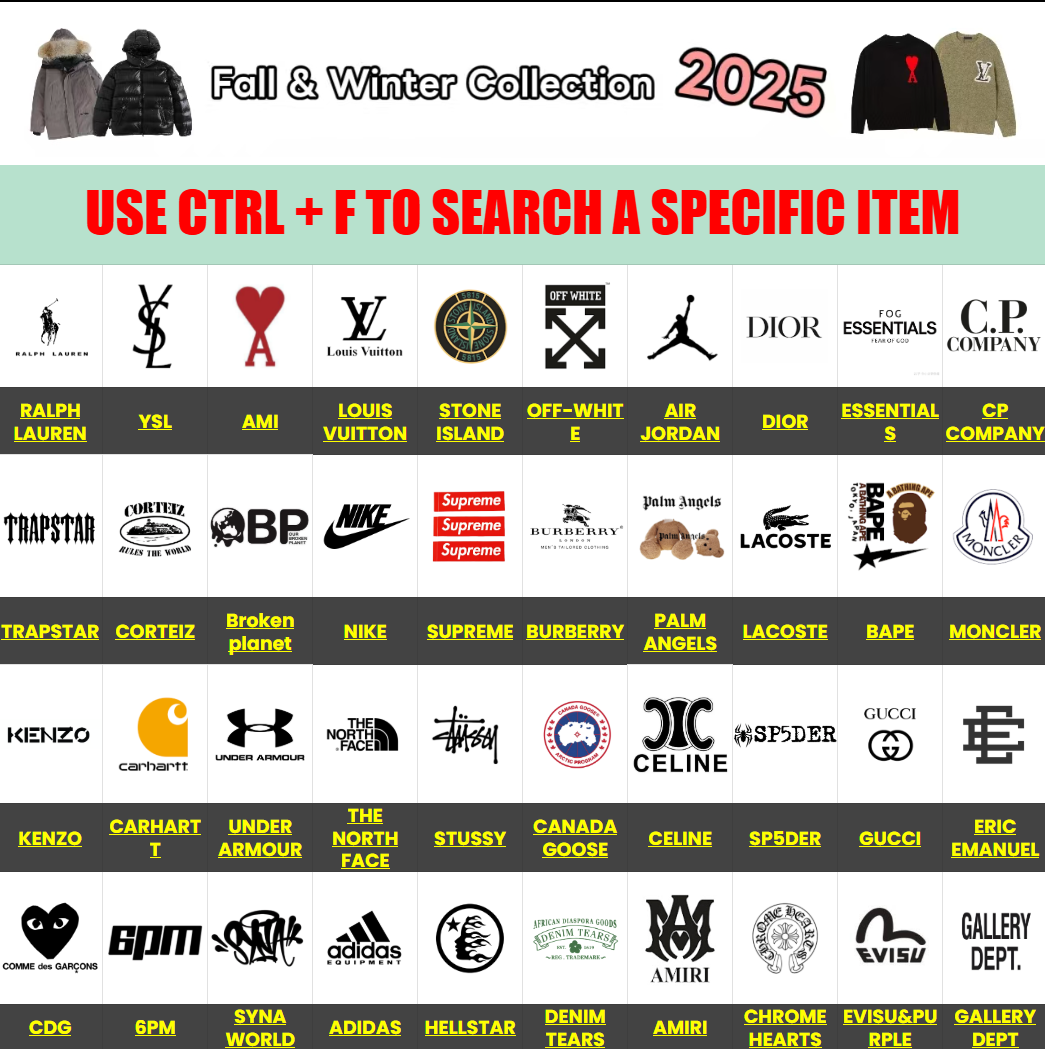
Related sourcing reference: litbuy spreadsheet
2. Adidas Streetwear Sock Trends
Adidas-style street socks remain heavily influenced by retro aesthetics and oversized branding culture. In 2026, spreadsheet curators note:
- Ribbed texture dominance across 3-stripe designs
- Neutral color palettes (black, cream, grey)
- High demand for mid-calf streetwear fits
QC challenges typically involve stripe alignment accuracy and fabric shrinkage after wash cycles. Buyers often prefer listings with multi-angle QC photos before committing.
3. Stussy-Inspired Fashion Socks
The Stussy-inspired segment represents lifestyle fashion rather than performance use. It is characterized by:
- Bold graphic typography
- Experimental color blocking
- Seasonal limited drops
In spreadsheet ecosystems, these items tend to have higher volatility in availability but stronger engagement rates among fashion-forward buyers. QC consistency is less standardized, making visual inspection critical.
Navigation Efficiency: Why Structured Spreadsheets Win
Traditional spreadsheet systems (especially Google Sheets) struggle under heavy traffic loads. In contrast, structured web-based catalogs like CNFans Spreadsheet Hub optimize:
- Page-level caching for faster browsing
- Category-first navigation architecture
- Direct outbound agent links for checkout
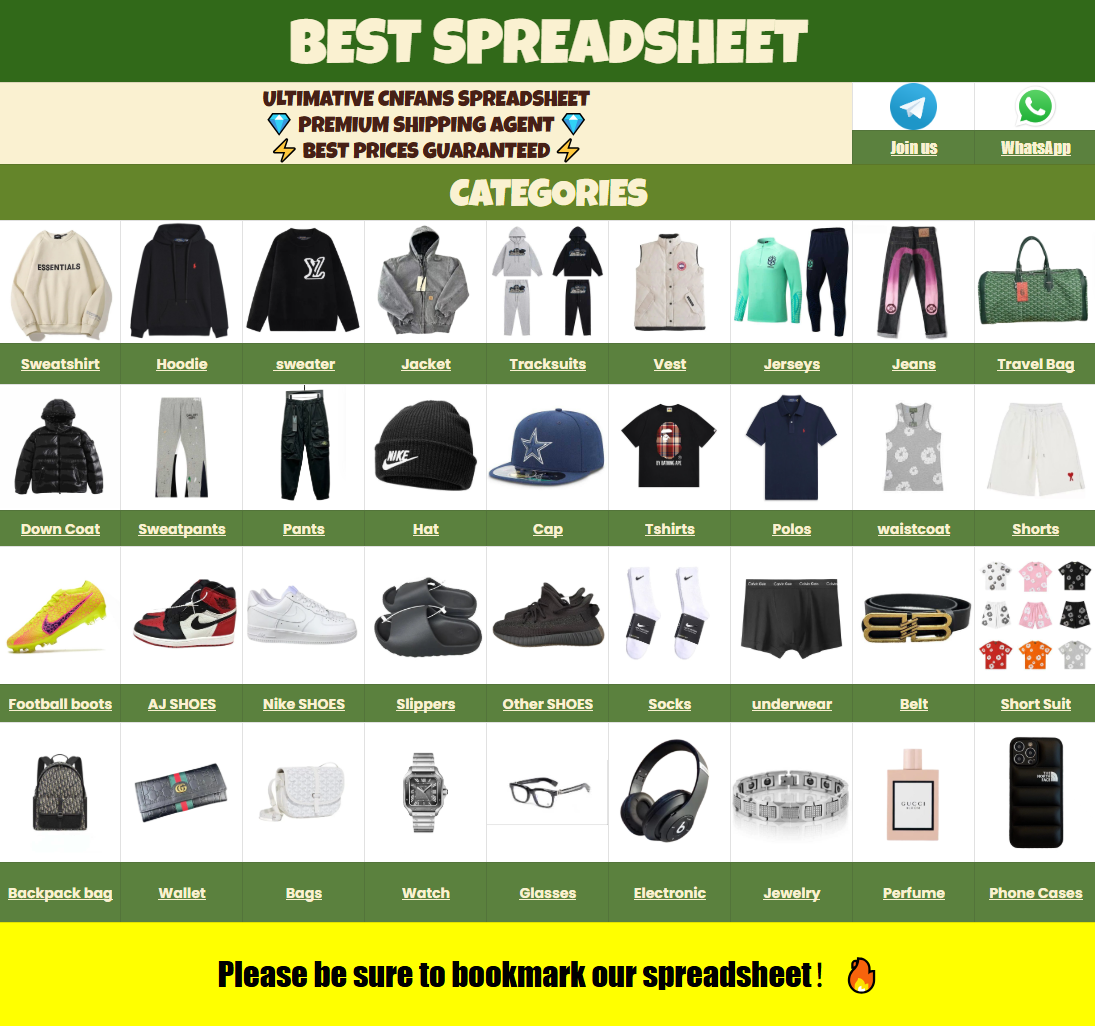
QC Checklist for Socks (Practical Buyer Framework)
A structured QC evaluation helps reduce purchase risk significantly. Below is a simplified framework used by experienced spreadsheet users:
| QC Factor | What to Check | Risk Level if Ignored |
|---|---|---|
| Stitch Density | Even weaving, no loose threads | High (durability failure) |
| Logo Placement | Alignment accuracy on both socks | Medium (visual rejection) |
| Elasticity | Stretch recovery after pull | High (fit inconsistency) |
Common Buyer Mistakes in Spreadsheet Shopping
- Ignoring QC images and relying only on titles
- Not verifying agent compatibility before checkout
- Over-focusing on brand instead of material quality
- Skipping category filters and browsing randomly
The structured navigation system in CNFans reduces these risks by forcing a category-first discovery flow rather than unfiltered browsing.
FAQ
Is the CNFans spreadsheet website safe?
Yes, the platform functions as a structured catalog layer rather than a payment processor. Transactions are completed through external agents, which reduces direct platform risk exposure.
Does the CNFans spreadsheet website share user data?
The system itself operates as a browsing interface and does not function as a payment wallet. However, users should always review external agent privacy policies since checkout occurs off-site.
What are the benefits of using the CNFans spreadsheet website?
Key advantages include smoother navigation, faster loading compared to traditional sheets, clearer categorization, and integrated QC previews that reduce purchase uncertainty.
Why not use Google Sheets?
Google Sheets becomes inefficient at scale due to loading latency, poor visual hierarchy, and lack of integrated media previews. Spreadsheet websites solve this by converting static rows into structured UI components.
Final Thoughts
The Best Hipobuy Spreadsheet Socks 2026 ecosystem reflects a broader shift in how product discovery is evolving: from raw data tables to structured, UX-driven catalogs. Whether focusing on performance socks, streetwear styles, or fashion replicas, the key advantage lies in QC transparency and faster navigation.